PLUS: Abbott halts foreign hiring at TX universities

View email in browser 

Happy Wednesday, 

I hope you all are staying safe and warm after the winter storm that took over Texas this weekend. 

Today, you’ll find a breakdown on the Texas Education Agency’s required reading list that the State Board of Education is currently reviewing.  If approved as-is, the list is just one more way Texas can disregard religious freedom and the separation of church and state in our public schools.

You’ll also find my coverage on a new directive from Republican Gov. Greg Abbott released yesterday requiring all Texas universities to freeze visas for foreign workers. 

Let’s get into it.

Katie Serrano

DFW Political Correspondent, COURIER Texas

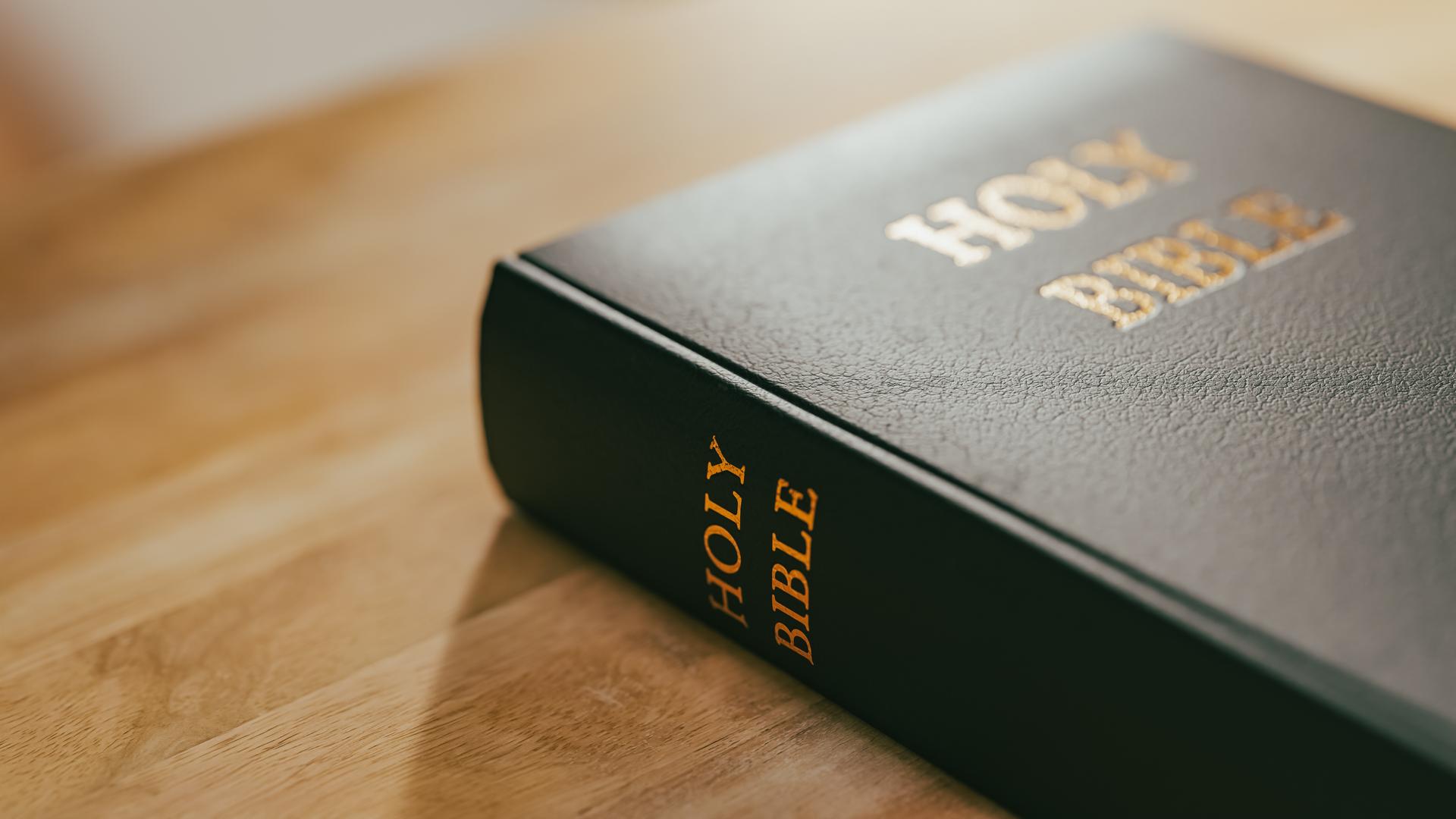
Could the Bible become required reading in Texas public schools?

Photo via Shutterstock

The Texas State Board of Education is reviewing the Texas Education Agency’s first-ever mandatory reading list for grades K–12 this week. It includes fairy tales, nursery rhymes, historical speeches, and classic literary novels. It also includes the Bible—but there are no required readings from any other religious texts.

It’s not the first time Texas has tried to infuse Christianity into public schools. Lawmakers passed Senate Bill 10 in May, which requires public schools to display a 16-by-20-inch poster of the Ten Commandments in every classroom.

In 2024, the SBOE also approved Bluebonnet Learning—an optional, Bible-infused curriculum.

But if the TEA’s reading list is approved, it would be the first instance of any state in the country mandating that religious text be read by all students. 

Watch me break it down

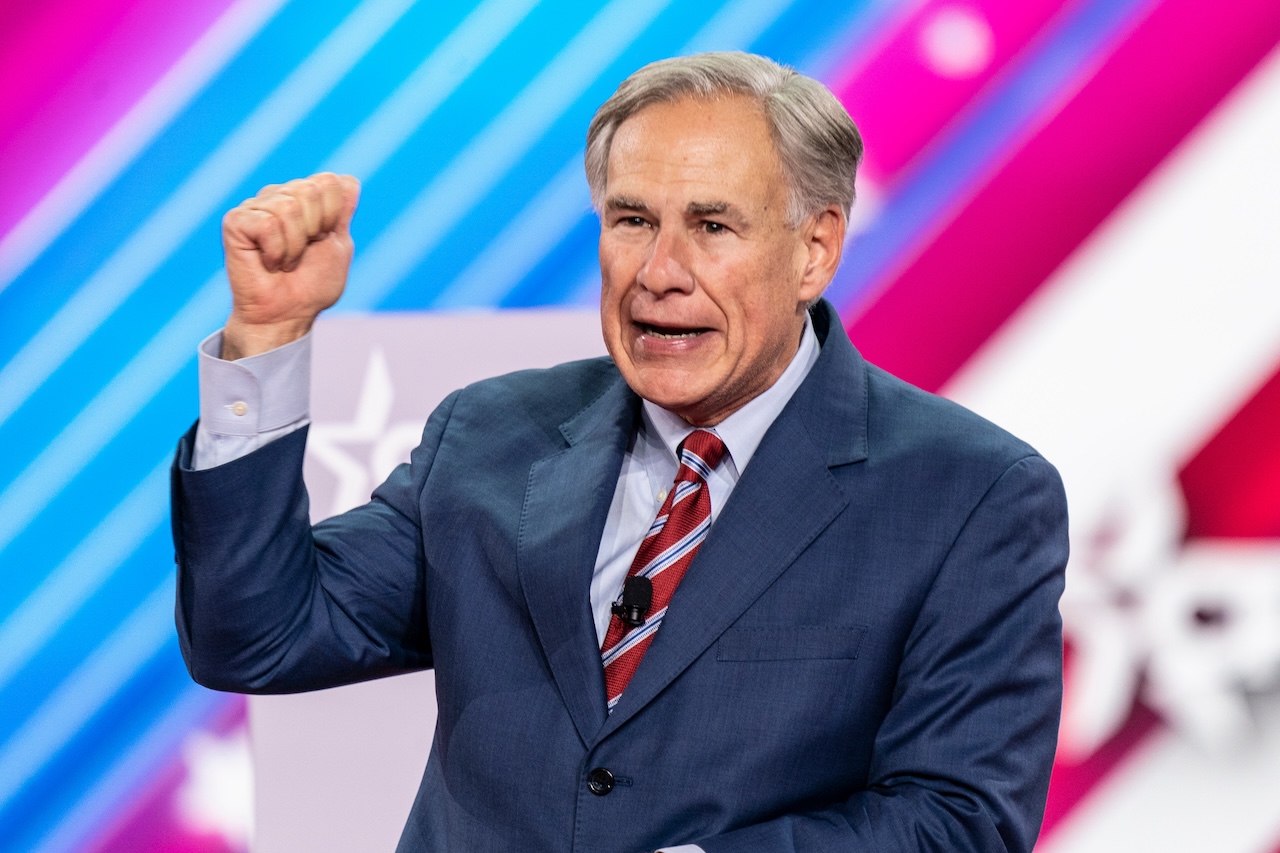
Gov. Greg Abbott halts visas for foreign workers at Texas universities

Photo via Shutterstock

Texas Republican Gov. Greg Abbott has directed public universities across the state to stop filing new H-1B visa petitions and announced an investigation into how they are being used.

The federal program allows employers to hire foreign workers for specialized jobs that require at least a bachelor’s degree, such as professors, researchers, and doctors. 

Under Abbott’s directive, public universities and state agencies can’t initiate or file new H-1B visa petitions without written permission from the Texas Workforce Commission through the end of the next legislative session on May 31, 2027. 

He also ordered higher education institutions to submit detailed reports to the commission, including the number of new or renewed H-1B visa petitions filed in 2025, the number of H-1B visa holders currently sponsored, job titles, countries of origin, and visa expiration dates. 

Abbott is also directing universities to provide documentation showing they made an effort to give qualified Texans a reasonable opportunity to apply for positions filled by H-1B visa holders.

He said the move is about putting Texans first, but the decision elicited criticism from academic advocates, who say it will threaten innovation, economic growth, and the student experience at Texas universities.


Read more

❄️Do North Texas students have to make up snow days?: Several North Texas school districts closed for one or two days following this weekend’s winter storm. Here’s what you should know about making those days up. (Fort Worth Star-Telegram)

🧑‍⚖️Texas teachers union asks court to halt TEA investigations: The Texas American Federation of Teachers sued the Texas Education Agency at the beginning of the month for investigating educators over comments made on social media following the death of far-right political activist Charlie Kirk, and are now asking for a preliminary injunction while the  case makes its way through court. (KVUE)

📱San Antonio district fights school cellphone ban: North East ISD’s school board voted unanimously this week to retain their current student cellphone policy, despite warnings from the Texas Education Agency that it may violate a new state law. (KSAT)

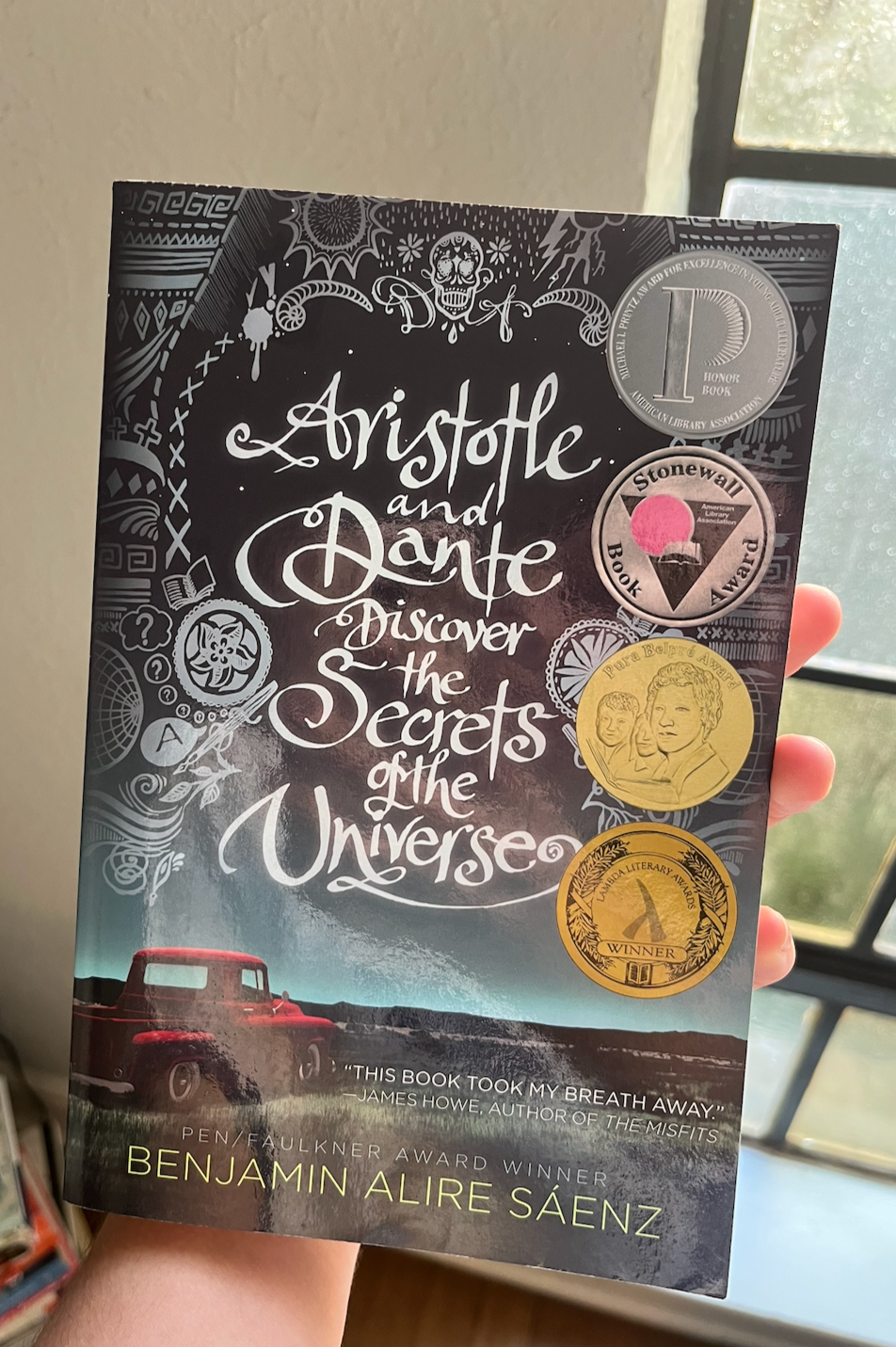
During the month of January, we’re reading “Aristotle and Dante Discover the Secrets of the Universe,” by Benjamin Alire Sáenz. This coming-of-age novel was banned in Nacogdoches ISD in March 2025 and follows the friendship between two Mexican-American teenagers. 

As you finish up the novel, here are some final questions to ask yourself:

1. In your own words, what is the “secret of the universe” that Ari and Dante discover?

2. How does the story’s El Paso, Texas, setting deepen the concluding themes of borders, belonging, and identity?

3. After finishing the book, how do your views on identity, culture, and self-acceptance compare with how you felt at the beginning? If you were to recommend this book to someone living in Texas today, what would you say?

Send me your responses
 

Would you recommend this newsletter to your friends and family?


Do you or your company want to support The TexEd Report's mission and reach your audience in Texas?

Contact advertise@couriernewsroom.com for more information.


Thanks for reading. This newsletter was written by Katie Serrano. The TexEd Report is happily free to read for everyone. Your financial support means a lot to us. Donate here.

Was this email forwarded to you? Sign up now to get upcoming newsletters in your inbox.

Send your feedback and news tips to katieserrano@couriernewsroom.com.

FacebookXInstagramTikTokYouTube

Copyright ©2026 COURIER Newsroom. All rights reserved. You are receiving this email because you opted in via our website.

Our mailing address is:
COURIER DFW / COURIER Newsroom
611 Pennsylvania Ave. SE
Washington, DC 20003-4303

Want to change how you receive these emails?
You can update your preferences or unsubscribe  from this list.